The Ultimate Bangkok Neighborhood Guide: Where to Stay in 2026
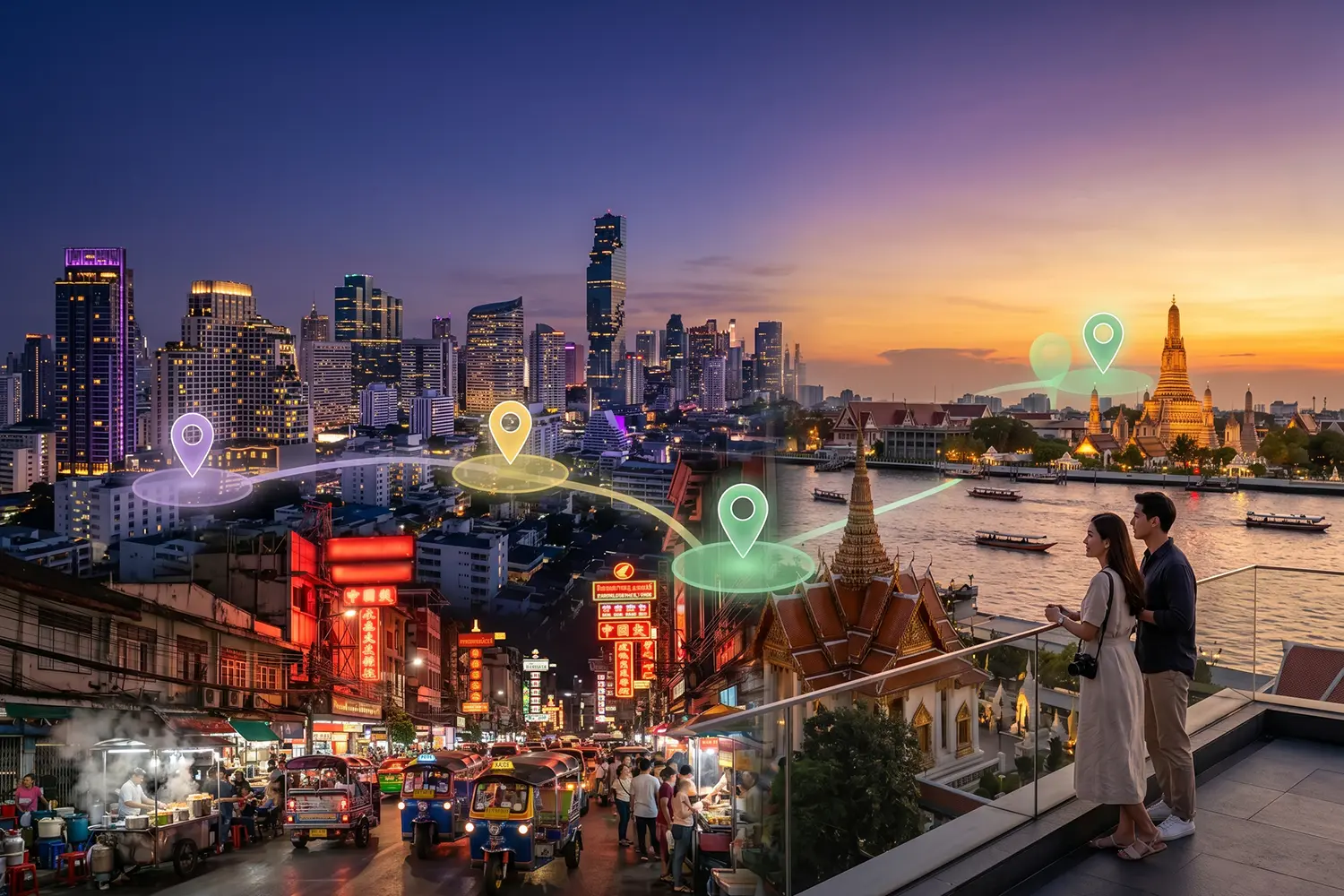
Choosing where to stay in Bangkok (or Krung Thep – กรุงเทพฯ) is no longer as simple as picking a hotel near a mall. In 2026, the city’s geography has shifted. New transit lines and massive “ultra-luxury” mixed-use districts like One Bangkok have redefined traditional boundaries.
What most first-timers don’t realize is that Bangkok is a collection of “villages” rather than a single cohesive downtown. Where you sleep determines whether you spend your holiday in a serene riverside breeze or stuck in a three-hour gridlock on a Tuesday afternoon.
1. Sukhumvit: The Heart of Modern Bangkok
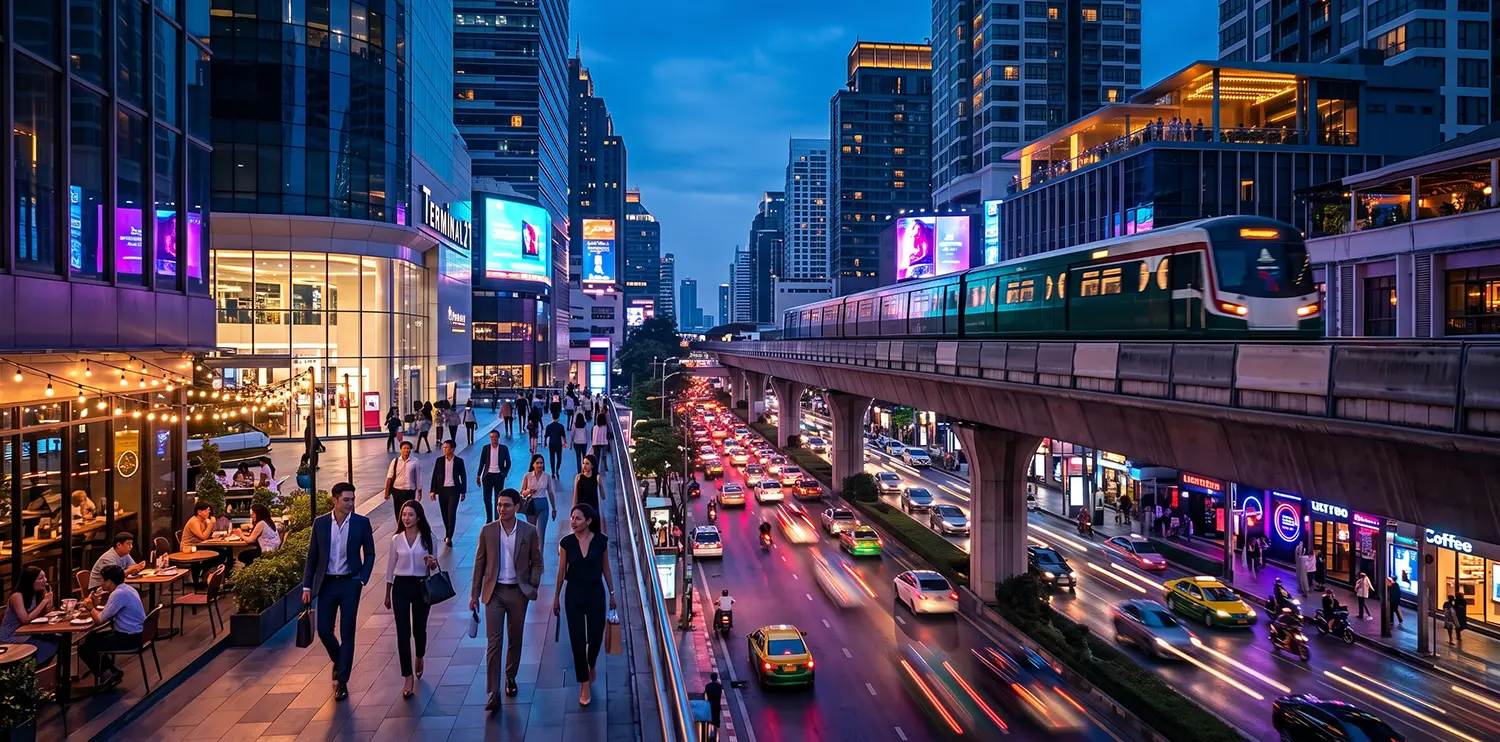
Sukhumvit (สุขุมวิท) is the city’s primary artery. It is the most popular choice for a reason: it offers the highest density of hotels, dining, and nightlife, all connected by the BTS Skytrain.
The Micro-Neighborhoods of Sukhumvit
- Asok (Soi 21): The intersection of the BTS (Skytrain) and MRT (Subway). Best for those who want maximum mobility.
- Phrom Phong (Soi 24-39): Known as the “Em District.” It is upscale, featuring luxury malls like EmSphere and EmQuartier.
- Thong Lor (Soi 55): The epicenter of Bangkok’s high-end social scene. Expect boutique cafes, iron-chef restaurants, and speakeasy bars.
- Nana (Soi 4-11): Energetic and gritty. It hosts a heavy concentration of nightlife but can be overwhelming for families.
Why it matters: Stay here if you want to be in the middle of everything. You sacrifice “old world” charm for convenience and the ability to find a 7-Eleven or a world-class cocktail every 50 meters.
2. Riverside (Chao Phraya): Timeless Luxury
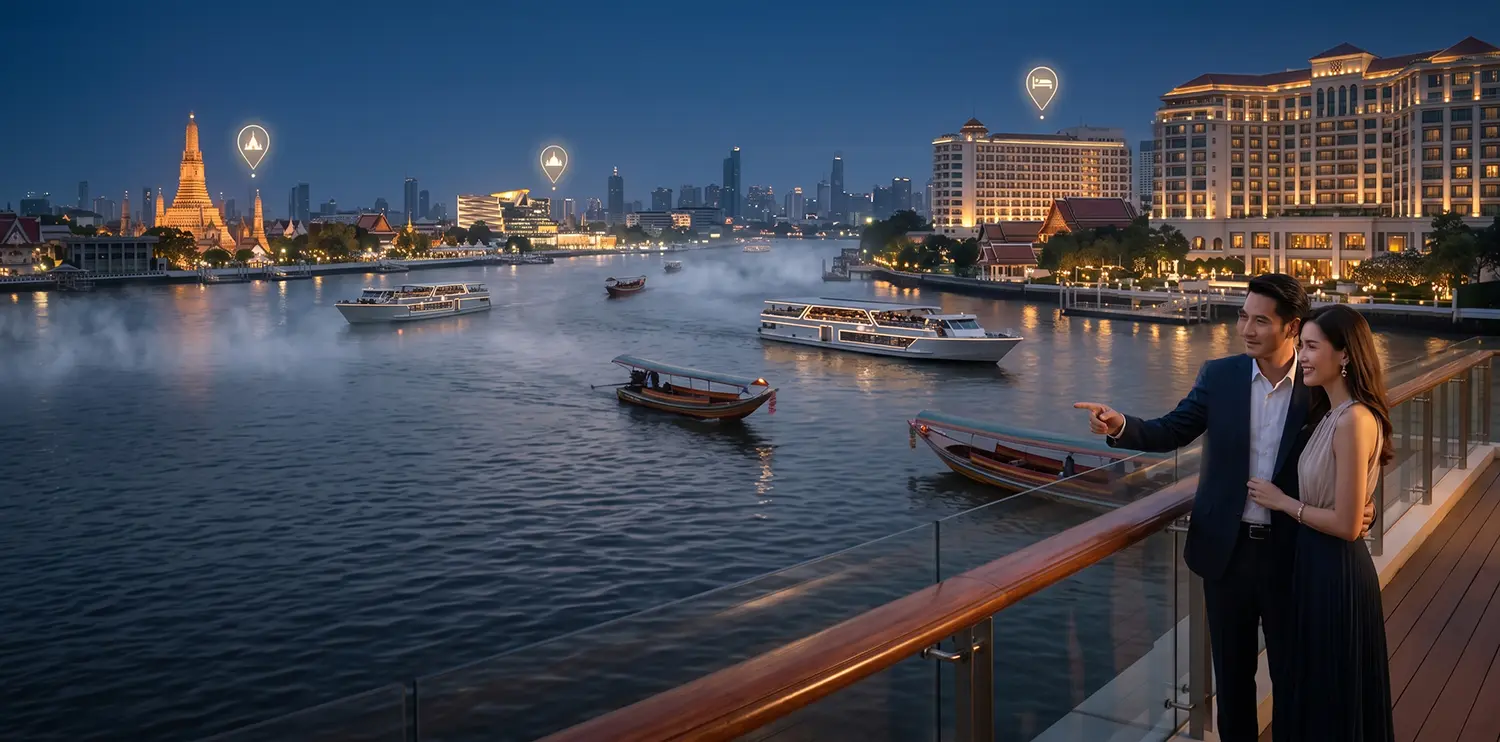
The Riverside area offers a stark contrast to the concrete density of Sukhumvit. It is home to Bangkok’s most storied grand hotels and offers a sense of space that is rare elsewhere in the capital.
Life on the Water
Staying here means utilizing the Chao Phraya Express Boat or hotel shuttles. The atmosphere at dawn, watching the saffron-robed monks and river barges, is something you won’t find in the “mall districts.”
- Charoen Krung: Bangkok’s oldest paved road. It has recently transformed into a “Creative District” filled with art galleries and converted warehouses.
- Iconsiam: A massive riverside complex that has effectively moved the city’s luxury retail focus to the west bank.
Why it matters: This is the best area for families and couples seeking a resort-like atmosphere. It’s significantly quieter at night, though you are further from the central nightlife hubs.
3. Silom & Sathorn: The Financial Pulse
Silom (สีลม) and Sathorn (สาทร) serve as the central business district by day and a culinary powerhouse by night.
Professionalism Meets Play
- Lumpini Park: Staying near the Saladaeng or Lumphini stations gives you access to the city’s “green lung.”
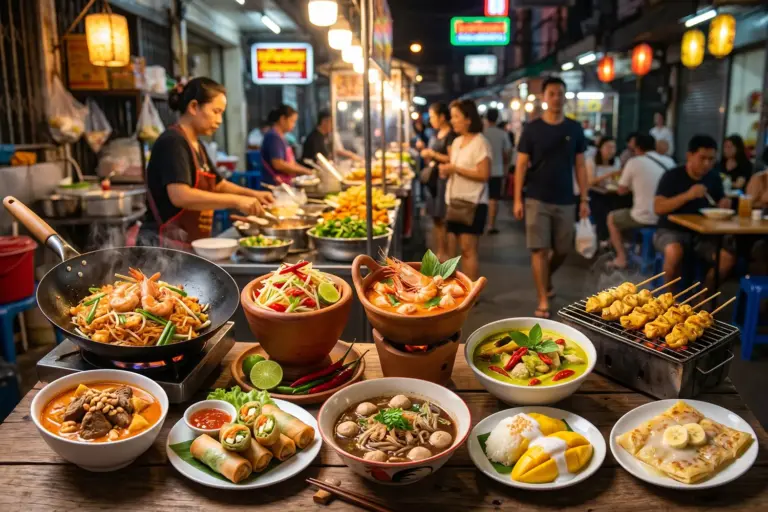
- Bang Rak: The lower end of Silom is famous for its “Michelin Guide” street food stalls that have been running for generations.
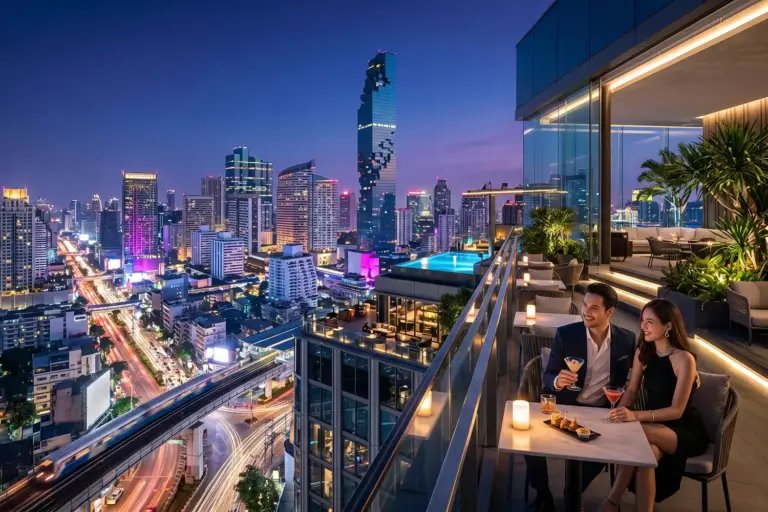
- The Skyline: Home to the Mahanakhon building (the “pixelated” skyscraper), which offers the best observation deck in the city.
Why it matters: Silom is arguably the most “balanced” neighborhood. It’s less chaotic than Sukhumvit but more “local” than the Riverside. It also hosts the city’s primary LGBTQ+ nightlife scene (Silom Soi 2 and Soi 4).
4. Old Town (Rattanakosin) & Khao San
If your priority is the Grand Palace, Wat Pho, or Wat Arun, staying in Phra Nakhon (พระนคร) puts you within walking distance of Thailand’s most sacred sites.
Beyond the Backpacker Trail
- Khao San Road: Still the loud, neon-soaked hub for budget travelers.
- Soi Rambuttri: The quieter, more atmospheric neighbor to Khao San. It offers better mid-range boutique stays.
- Phra Athit: A riverside road with a bohemian feel, popular with local university students and jazz lovers.
Why it matters: Until recently, this area was hard to reach. The extension of the MRT Blue Line (Sanm Chai and Wat Mangkon stations) has changed the game, making the “Old City” accessible without relying on overpriced tuk-tuks.
5. Siam Square: The Retail Ground Zero
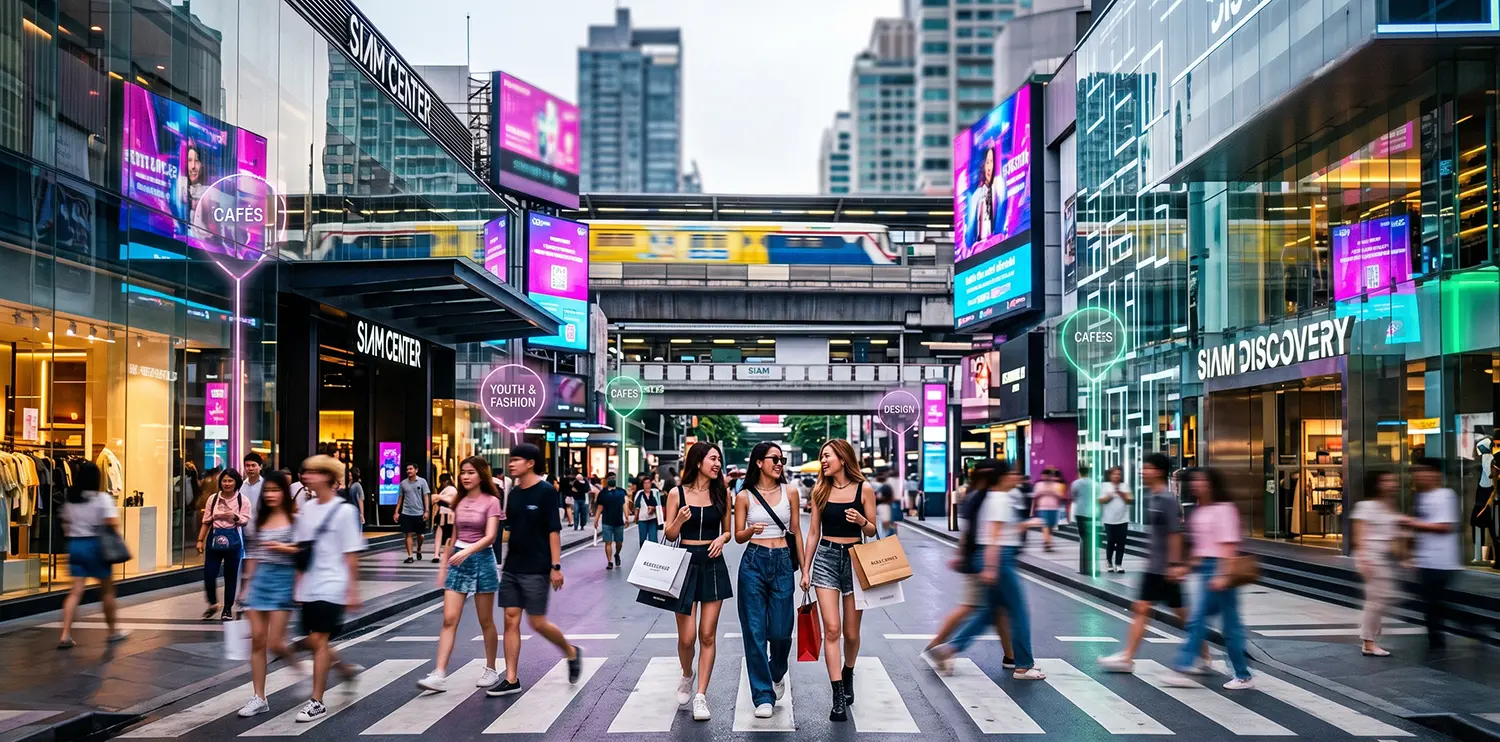
Siam is the geographic center of Bangkok’s transit system. Every BTS line meets at Siam Station.
The Ultimate Hub
The area is dominated by malls: Siam Paragon, Siam Center, and the legendary MBK. It is youthful, fast-paced, and largely pedestrian-friendly compared to the rest of the city.
Why it matters: Perfect for “shop-til-you-drop” travelers and families with young children who need easy access to air-conditioned spaces and international food courts.
6. Chinatown (Yaowarat): The Foodie’s Choice
Yaowarat (เยาวราช) is one of the world’s largest Chinatowns. In 2026, it has transitioned from a daytime market hub into one of the city’s trendiest evening destinations.
Nightly Transformation
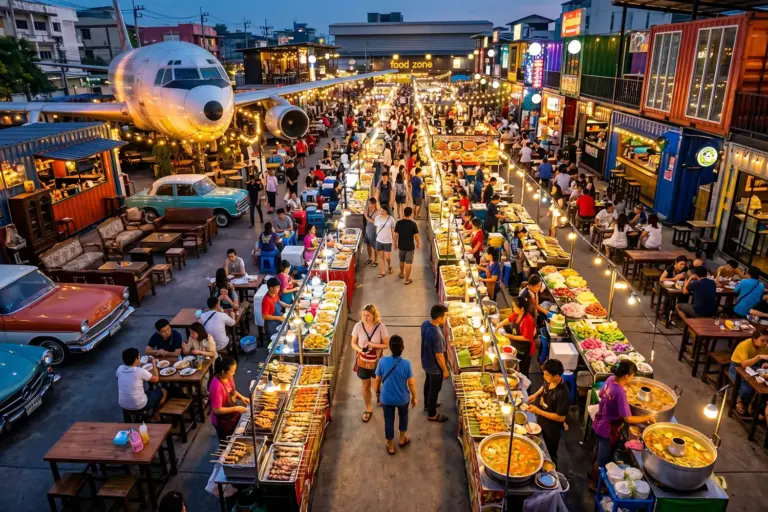
During the day, it’s a labyrinth of wholesale goods. After 6:00 PM, the main road turns into a massive open-air kitchen. Recently, the Soi Nana (Chinatown side) area has become the city’s “coolest” street, lined with gin bars and heritage tea houses.
Why it matters: Stay here if you don’t mind noise and crowds in exchange for the most authentic sensory experience in Bangkok. The boutique hotels here are often restored heritage shophouses.
Comparison Table: Bangkok Neighborhoods at a Glance
| Area | Vibe | Best For | Transport |
| Sukhumvit | Modern & Hectic | First-timers, Nightlife | BTS / MRT |
| Riverside | Grand & Serene | Families, Luxury | Boat / Gold Line |
| Silom | Business & Food | Professionals, LGBTQ+ | BTS / MRT |
| Old Town | Historic & Local | Culture Seekers | MRT / Feet |
| Siam | Commercial | Shoppers, Families | BTS Hub |
| Chinatown | Raw & Sensory | Foodies, Hipsters | MRT |
Frequently Asked Questions
Which area is safest for solo travelers?
Sukhumvit and Siam are generally considered the safest due to the constant foot traffic and high visibility. However, Bangkok is statistically very safe for travelers. The biggest risks are usually traffic-related or minor scams in high-tourist areas like Khao San.
Where should I stay to avoid the famous Bangkok traffic?
Stay in Asok or Silom. These are the only two major areas where the BTS (elevated) and MRT (underground) transit systems intersect. Being near an interchange station allows you to bypass the gridlock entirely.
Is it better to stay in a hotel or an Airbnb?
In Thailand, short-term rentals (less than 30 days) in condominiums are technically restricted by law, though widely available. For a hassle-free experience, hotels or serviced apartments are recommended, as they provide 24-hour security and clear legal standing.
What is the “best” neighborhood for a short 2-day layover?
Siam or Sukhumvit (near Phaya Thai). Staying near the Airport Rail Link (ARL) terminus at Phaya Thai allows you to get to and from Suvarnabhumi Airport (BKK) in 30 minutes for under 50 THB, maximizing your limited time.
Which area has the best street food?
While Chinatown (Yaowarat) is the most famous, many locals prefer Silom/Bang Rak or the Ari neighborhood for high-quality street food that is slightly more organized and accessible.
Final Thoughts
Bangkok is a city that rewards those who choose their base strategically. If you want the “New Bangkok” of skyscrapers and rooftop bars, Sukhumvit is your home. If you want to wake up to the sound of temple bells and river traffic, choose the Riverside. No matter where you land, the city’s expanded rail network ensures you are never truly isolated from the rest of the “Big Mango.”